The United States carried out a ninth consecutive night of strikes against Iran, targeting command centres, air defence systems, missile sites and maritime infrastructure as fighting spread across the Gulf and further disrupted traffic through the Strait of Hormuz.
US Central Command said the latest operation ended at 10 pm Eastern Time on July 19 and was intended to weaken Iran’s ability to attack commercial vessels and civilian mariners using the strategic shipping corridor.
Advertisement
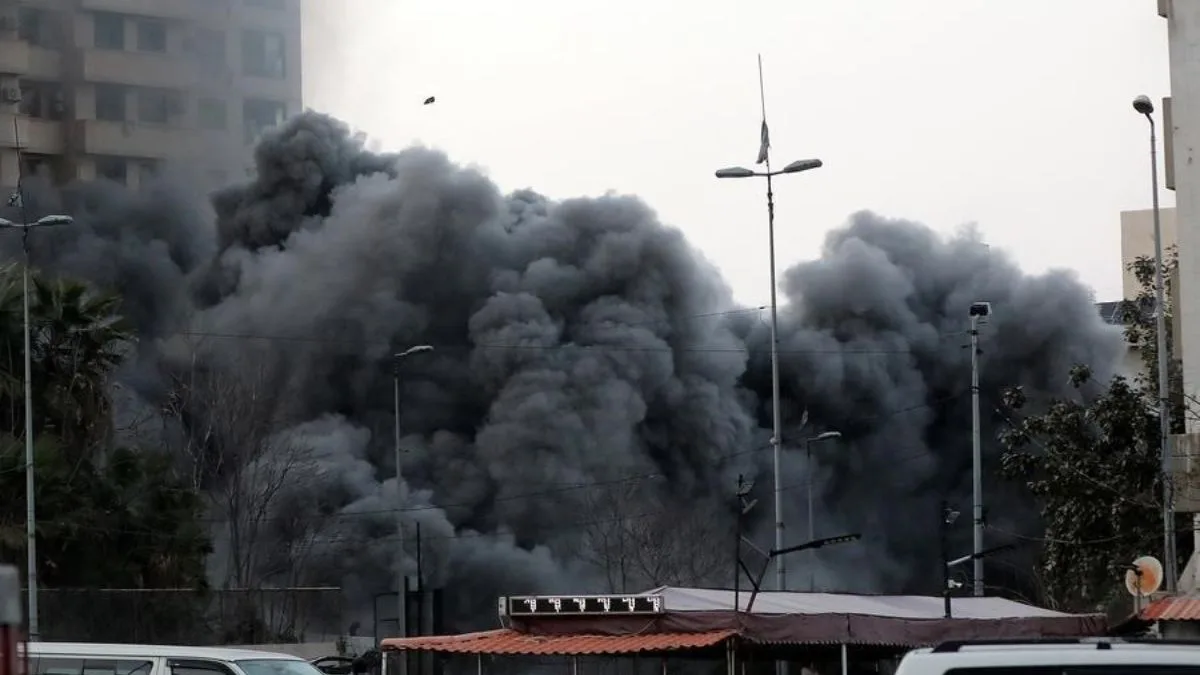
Iranian media reported explosions across several cities, power outages in the southwestern town of Khormoj and the interception of an American MQ-9 drone over Kermanshah province.
The strikes came amid mounting US military casualties, renewed Iranian attacks on American positions and heightened security alerts across Bahrain, Kuwait, Jordan and Israel.
US targets command, missile and surveillance sites
CENTCOM said the operation struck Iranian military command centres, coastal surveillance facilities, air defence positions, communications networks and missile and drone launch sites.
“The US military is holding Iran accountable at the Commander in Chief’s direction,” it said.
The command added that its forces remained “highly vigilant, focused, lethal, and ready”.
CENTCOM said further strikes would continue against capabilities used by Iran to target merchant vessels and civilian crews in the Strait of Hormuz.
The latest operation followed the collapse of an interim ceasefire agreed a month earlier. Fighting has since intensified around the waterway, one of the world’s most important energy transit routes.
Khormoj hit, electricity supply disrupted
Iran’s semi-official Tasnim news agency reported that US strikes hit Khormoj, the administrative centre of Dashti County in Bushehr province.
A local official said parts of the town suffered electricity outages following the attack.
The area lies near Iran’s Gulf coast and is believed to contain facilities linked to the naval forces of the Islamic Revolutionary Guard Corps.
Tasnim also reported explosions in Tabriz, Chabahar, Konarak, Bandar Mahshahr and Bandar Imam Khomeini early on Monday.
Iran claims American MQ-9 drone shot down
Iran’s Mehr News Agency separately reported that an MQ-9 unmanned aerial vehicle was intercepted over Eslamabad-e Gharb in western Kermanshah province.
The report said the drone was targeted by an advanced air defence system operated by the IRGC Aerospace Force and linked to Iran’s integrated air defence network.
There was no immediate confirmation from the US military about the Iranian claim.
The reported interception came as Iranian forces launched further missile and drone attacks on US-linked targets across the region.
Iran’s official IRNA news agency said missiles were fired from Lorestan province towards what it described as “enemy targets”.
Trump says strikes honour fallen US troops
US President Donald Trump said the latest attacks were carried out in honour of American service personnel killed during the conflict.
“We hit them very hard again tonight,” Trump told reporters after returning from the FIFA World Cup final.
Trump said the strikes honoured what he described as “probably three great patriots”.
“We feel very badly,” he said, adding that the troops had died while fighting to prevent Iran from acquiring a nuclear weapon.
The US military said one service member was killed on Saturday in northern Iraq during the controlled detonation of unexploded ordnance recovered from a downed Iranian drone.
Another service member suffered minor injuries in the incident.
Two US personnel were earlier killed in an Iranian attack in Jordan, while a search for a missing service member led to the recovery of unidentified remains.
The remains are undergoing forensic examination.
The latest fatalities have taken the US military death toll since the conflict began to 17. More than 420 personnel have been injured.
Iran expands attacks across the Gulf
Iran said it had struck what it called an enemy special operations headquarters at Al-Tanf in Syria.
Tehran also targeted US military assets at Al-Adiri camp and Ali Al Salem Air Base in Kuwait.
Air defence systems were activated in Kuwait, Bahrain and Jordan to intercept incoming Iranian drones and missiles.
Kuwaiti authorities said a water desalination facility was hit for a second successive day, causing a fire.
Officials described the strike as a deliberate attack on essential civilian infrastructure.
The US Embassy in Bahrain warned that Iran could target unspecified locations in central Manama and advised American citizens to remain alert.
Israeli authorities also said missiles fired towards Jordan could spill into Israeli territory.
Vessel catches fire near Oman
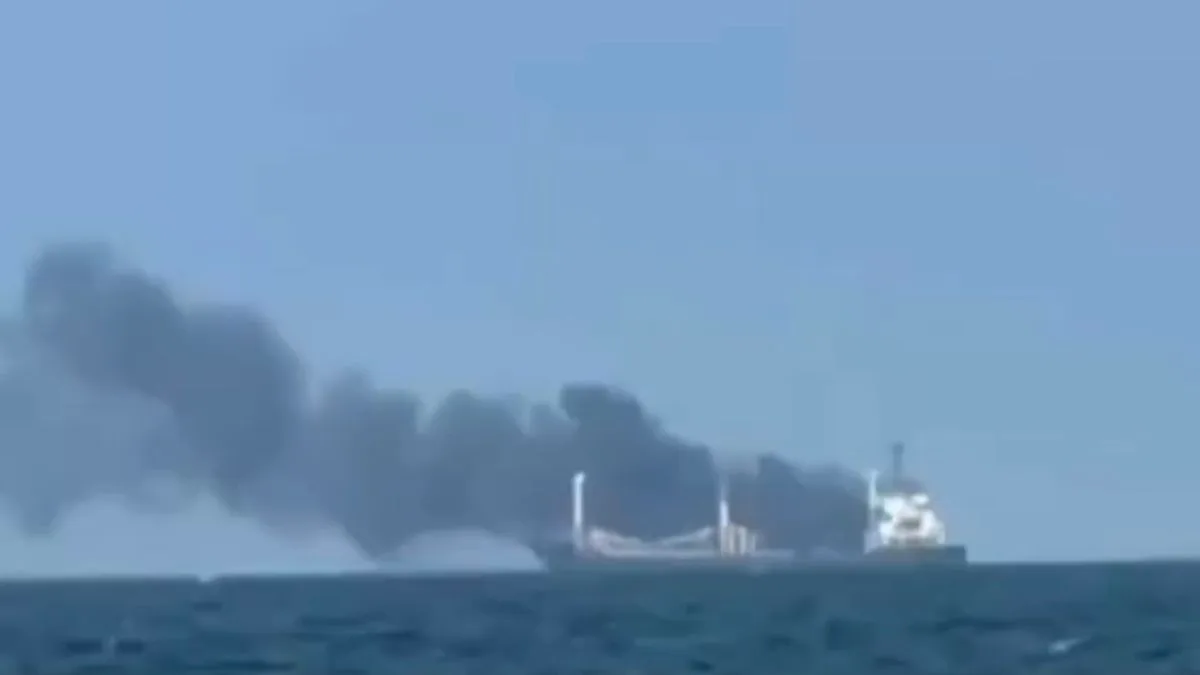
The United Kingdom Maritime Trade Operations said it had received a report of a vessel on fire near the coast of Oman.
The cause of the blaze was not immediately established.
The incident occurred near a route that the US military had earlier advised commercial shipping to use in order to avoid waters controlled by Iran.
The continued fighting has severely disrupted maritime movement through the Strait of Hormuz.
Brent crude prices rose more than 3 per cent and crossed $90 a barrel, reaching their highest level since June 11.
Araghchi says Iran negotiated under threat
Iranian Foreign Minister Abbas Araghchi, meanwhile, said Tehran’s representatives had held discussions with US envoy Steve Witkoff while facing the possibility of American military strikes.
In an interview with Mehr, Araghchi said he had asked Witkoff whether he had ever attended a meeting fearing it could be bombed at any moment.
“Have you ever been on the phone while you’re talking, you might, as they say, explode, be destroyed?” he said.
Araghchi said Iran would not negotiate under threats or inducements.
“We stood our ground. You have to talk. You can’t threaten us and you can’t bribe us,” he said.
The two officials established contact during nuclear negotiations last year and have maintained intermittent communication through intermediaries, direct meetings and text messages.
Talks were held in Muscat, Rome and Geneva, with further contacts taking place during Araghchi’s visits to Islamabad, Moscow and Oman.
Tehran has, however, insisted that these exchanges do not amount to formal negotiations.
‘Iran is not Venezuela’
Araghchi also rejected suggestions that military pressure could trigger the collapse of the Iranian leadership.
“Iran is not Venezuela,” he said, arguing that Washington could not force Tehran to surrender by targeting or capturing a single leader.
His remarks came amid growing domestic criticism of Iran’s diplomatic outreach.
Hardline factions have accused Araghchi, President Masoud Pezeshkian and Parliament Speaker Mohammad Bagher Ghalibaf of supporting the June ceasefire agreement without securing the approval of Supreme Leader Mojtaba Khamenei.
Ghalibaf defended the talks, saying negotiations were not the same as compromise and remained part of Iran’s broader resistance strategy.
The conflict began on February 28 after joint US and Israeli strikes targeted Iran’s nuclear, missile and military infrastructure.
The hostilities have since expanded across Iran, Iraq, Syria, Jordan, Kuwait and Bahrain, while placing commercial shipping and global energy supplies under increasing strain.